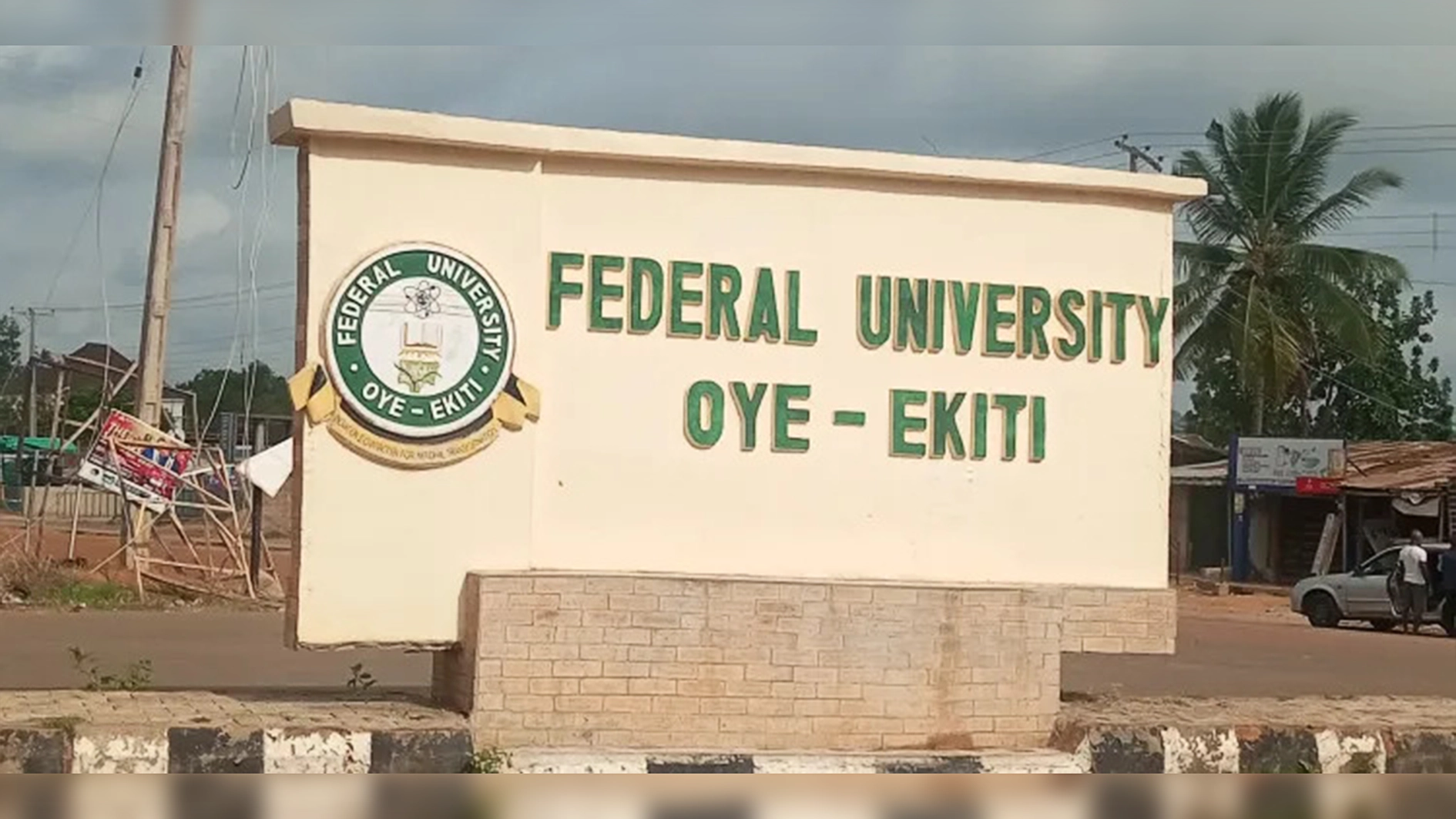
The Federal University Oye-Ekiti (FUOYE), through its Population Health Initiative (FUPHI) and Population Research Infrastructure Model (PORIM) research group, has launched a two-day community sensitization campaign across Ekiti State to combat malaria and promote public health awareness.
The sensitization exercise, carried out in collaboration with the Federal Medical Centre Ido-Ekiti and the Ekiti State Ministry of Health, themed : "Protect, Prevent, Test, and Treat," aims to educate residents on the dangers of malaria and practical steps to be taken to curb its spread.
The outreach, which was spearheaded by the Dean of the Faculty of Social Sciences, Prof. Sunday Adedini, who also serves as the Principal Investigator (PI) of the project, alongside Prof. L.F.C. Ntoimo, the Project SBS Lead, took place between April 7 and 8, 2026, across eight communities including Aaye, Ido, Igbole, Ora, Usi, Ilogbo, Ifisin, and Orin.
Speaking during a courtesy visit to the palace of the Alaaye of Aaye-Ekiti, Oba Amos Idowu Ojo, Adedini underscored the global and local urgency of tackling malaria.
"The vision of the United Nations is that no child should die from malaria, and no woman should lose her life in the process of childbirth.
"However, evidence from our research shows that Nigeria still records significant deaths among children and adolescents due to malaria. In the South-West, Ekiti State remains one of the most affected, which is why this intervention is critical", he said.
He identified environmental and behavioural factors, contributing to malaria prevalence, including stagnant water, overgrown surroundings, poor waste disposal, and misuse of mosquito nets.
"We observed that while mosquito nets are distributed, many people do not use them appropriately.
Some even sell them or repurpose them for farming activities," he noted. "
This sensitisation is to empower residents with the knowledge to protect themselves, maintain hygienic environments, and adopt preventive measures."
Professor Adedini further explained that the team's visit to traditional institutions was deliberate and strategic.
"We cannot carry out meaningful sensitization without the knowledge and support of community leaders. After this exercise, our data collectors will return to assess its impact and gather feedback from residents," he added.
In his response, Oba Amos Idowu Ojo welcomed the delegation and commended FUOYE's consistent engagement with the community.
"You are always welcome in Aaye. We appreciate your efforts and regard you as partners in progress," the monarch said.
"However, there are challenges with the distribution and usage of mosquito nets. Some individuals hoard them, while others fail to use them at all. We urge you to help educate our people on proper usage and ensure fair distribution, the monarch said.
Other members of the research team included: Prof Omolayo, Prof Ntoimo, Prof Odusina, Dr Christiana Alex-Ojei, Dr Babalola, Mr Adesoji Ogunsakin, Mr S.M. Abatan and Dr Taiwo Omolayo from Federal Teaching Hospital, Ido-Ekiti.
Members of the community advisory committee (CAB) who joined the research team in the sensitization program included Hon Omodun Emmanuel, Mr Ajayi Babatunde, Mrs Folake Adeyemi and Mrs Abegunde Oluwayemisi representing the D.P.O. The campaign is part of the broader effort by FUOYE and its partners to align with global health goals and strengthen grassroots awareness in the fight against malaria.